 English

Description
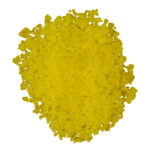
Cycloheximide akaActidione/Naramycin is a naturally occurring glutarimide antibiotic produced by the bacterium Streptomyces griseus. Its primary biochemical mechanism is interfering with translational elongation in eukaryotic cells by binding to the 60S ribosomal subunit. Because of its human toxicity, it is not used in clinical human medicine, but it remains a crucial chemical tool in laboratory research and industrial applications
Core Applications
Biomedical & Cell Biology Research: Scientists use cycloheximide to arrest protein synthesis rapidly. This allows researchers to measure protein half-life, evaluate protein turnover rates, and study translational regulation without new protein formation interfering with measurements.
Microbiology Media Selection: In microbiological culture formulations, cycloheximide is added to growth media as a selective antifungal agent. It suppresses unwanted saprophytic fungi and yeast growth while allowing target bacteria or slow-growing pathogenic fungi (like dermatophytes) to isolate cleanly.
Apoptosis Studies: It serves as a tool to induce apoptosis (programmed cell death) in select cell lines or, conversely, to block apoptosis in pathways that require de novo protein synthesis.
Plant Physiology & Agriculture: It functions as an experimental plant growth regulator, fungicide, and abscission agent (e.g., promoting fruit drop in citrus crops), though its agricultural use is strictly controlled due to environmental toxicity.
Safety Note: Cycloheximide is a potent teratogen, mutagen, and reproductive toxin; handle with strict laboratory containment measures.






Reviews
There are no reviews yet.